Wash, Dry, and Fold Service on Long Island: Who It’s Actually For and How to Use It Efficiently
Wash, dry, and fold service on Long Island is designed for households with consistent, high-volume laundry — not for people who do a load or two a week with no time pressure. Understanding who benefits most from this service, and how it differs from shirt laundering and dry cleaning, is what determines whether it solves a real problem or adds a step that does not need to be there.
Who Wash, Dry, and Fold Is Actually For
Households With Kids in Fall Sports
Fall on Long Island means soccer uniforms, football practice gear, and cross-country kits coming home multiple times a week — often muddy, often in bulk, and always needing to be clean by the next morning. The laundry math is straightforward: one child in a fall sport can generate three to five loads of athletic wear per week during the peak of the season, on top of the household’s normal volume.
Wash-dry-fold handles this category well. Athletic wear, practice clothes, and everyday school clothing fall cleanly within the service. Uniforms with specific care requirements (low heat, no fabric softener to preserve moisture-wicking properties) can be communicated at drop-off or pickup so they are handled correctly from the first batch.
Working Parents Managing School Uniforms
School uniform households operate under a rigid weekly cycle. Monday through Friday requires a clean set every morning. Uniforms are typically cotton or cotton-poly blends that hold up to regular washing, but the schedule is unforgiving. One missed laundry day cascades into Tuesday morning with nothing pressed and no margin to catch up before dismissal.
A recurring wash-dry-fold schedule removes the weekly scramble entirely. A mid-week pickup and return means uniforms are folded and ready for the back half of the school week without the Sunday-night laundry session.
Professionals With Consistently High Laundry Volume
Laundry is not a time-sensitive task for most people until they run out of something they need. For working households in West Islip, Babylon, and Bay Shore managing full schedules, laundry tends to accumulate in a way that requires a full weekend day to address. That is a recurring time cost that wash-dry-fold replaces with a drop-off or scheduled pickup.
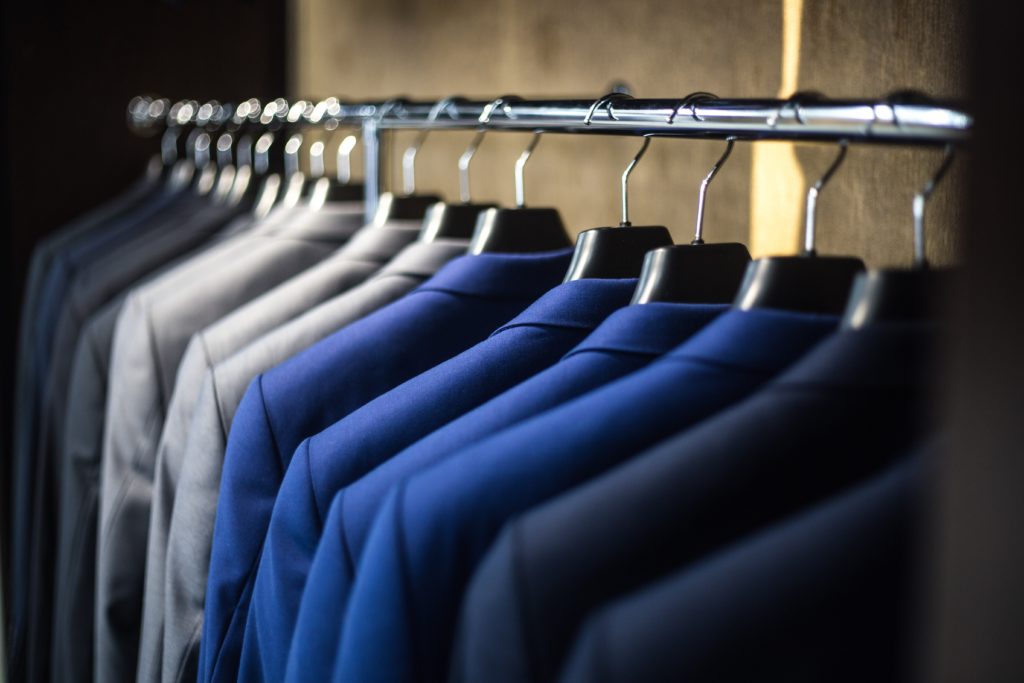
This service is especially practical for households where the items requiring professional care (dress shirts, suits, structured garments) are already being sent to a cleaner. Wash-dry-fold consolidates the household’s everyday laundry into the same routine, which means one errand or one pickup window handles everything.
Who It Is Not For
Wash-dry-fold is not the right service for delicate garments, structured clothing, or anything with a care label that specifies dry clean only. It is also not shirt laundering. If your primary need is professionally pressed dress shirts with starch and boxing, that is a separate service handled differently. Sending dress shirts through wash-dry-fold returns them laundered and folded but not pressed to the standard that shirt laundering provides.
Wash-Dry-Fold vs. Shirt Laundering vs. Dry Cleaning: A Side-by-Side Breakdown
Most households need more than one service category. The table below shows which service handles which items so you can sort correctly before your first pickup.
| Item Type | Wash, Dry & Fold | Shirt Laundering | Dry Cleaning |
|---|---|---|---|
| Everyday T-shirts, socks, underwear | Yes | No | No |
| Athletic wear and school uniforms | Yes | No | No |
| Jeans, casual pants, sweatshirts | Yes | No | No |
| Dress shirts (button-down) | Laundered, not pressed | Yes — pressed and boxed | No |
| Suits and blazers | No | No | Yes |
| Wool, silk, structured garments | No | No | Yes |
| Bedding and towels | Yes | No | No |
For dress shirts specifically, professional shirt laundering is the service that delivers the pressed, starched result you would expect from a cleaner. Many households send everyday laundry through wash-dry-fold and shirts separately through shirt laundering in the same pickup — ask about consolidating both into a single pickup and delivery window.
How to Set Up a Recurring Schedule That Actually Reduces Backlog
Sort Before Pickup, Not After
The most common friction in a wash-dry-fold routine is what goes in the bag. If dry-clean-only items or dress shirts end up mixed with everyday laundry, they either need to be pulled out at the counter or processed incorrectly. Sorting at home before pickup takes two minutes and eliminates the problem entirely. Keep a separate bag or hamper for items going to wash-dry-fold and a separate bag for dry cleaning and shirts.
Communicate Fabric Preferences on the First Order
Wash-dry-fold handles everyday laundry, and most loads are straightforward. If your household has specific preferences — low heat for athletic wear, no fabric softener, a particular fold style for children’s clothes — communicate these clearly at your first drop-off or in your first pickup request. A good cleaner notes these preferences and applies them consistently.
Common preferences worth specifying: low or medium heat for synthetic fabrics and athletic wear, no dryer sheets if anyone in the household has sensitivities, and whether you prefer hanging for items like hoodies rather than folding. These are practical instructions, not special requests, and any professional service should be able to accommodate them.
Evaluate the First Return Before Committing to a Schedule
The first return tells you what you need to know. Check that items came back at the right temperature (athletic wear and delicate fabrics should not show heat damage), that fold quality is consistent, and that any preference you communicated was applied. If something is off, say so before the second pickup. Most issues are preference corrections rather than errors, and they are straightforward to fix once they are flagged.
Build the Schedule Around Your Household’s Actual Cycle
A recurring schedule works best when it maps to how laundry actually accumulates in your household. For a school-age household with fall sports, a mid-week pickup keeps uniforms and practice gear clean through the end of the week. For a working household without that seasonal cycle, a once-a-week or twice-a-month pickup may be sufficient. The goal is eliminating the accumulation point where laundry becomes a half-day project rather than a routine handoff.
For a full overview of available services and to find what else can be added to a single pickup, visit our services page.
Frequently Asked Questions
What is included in wash, dry, and fold service?
Wash-dry-fold covers everyday laundry: clothing, activewear, underwear, socks, towels, and bedding that can be machine washed and dried. Items that require dry cleaning, hand washing, or professional pressing are handled as separate services and should be bagged separately.
Can I request specific detergent or temperature settings?
Yes. Preferences for water temperature, dryer heat, detergent type, and fabric softener can be communicated at drop-off or when setting up a pickup. If you have sensitivities or specific fabric care requirements, note them clearly with your first order.
How is wash-dry-fold different from shirt laundering?
Shirt laundering is a specialized service for dress shirts and button-downs that includes professional pressing, starch application, and boxing. Wash-dry-fold returns items laundered and folded but not pressed to that standard. For dress shirts, shirt laundering is the correct service. See our shirt laundering service for details.
Is pickup and delivery available for wash-dry-fold?
Yes. Wash-dry-fold is available through our pickup and delivery service. Contact us to confirm your area and schedule a recurring or one-time pickup.