Professional Upholstery Cleaning in West Islip, NY — Sofas, Armchairs, Dining Chairs, Leather & All Fabric Types
From everyday fabric sofas to fine leather armchairs and delicate vintage upholstery, Oak Neck Cleaners cleans, deodorizes, and refreshes your furniture with methods matched to each material. Serving Bay Shore, Babylon, and all of Suffolk County's South Shore.
Upholstered furniture is one of the most used, and most difficult to clean, surfaces in any home. A sofa or armchair absorbs years of body oils, sweat, pet dander, food particles, and allergens through daily contact. Surface spot-cleaning can address visible spills, but the embedded accumulation beneath the surface requires professional extraction that home methods simply can't achieve. At Oak Neck Cleaners in West Islip, NY, we clean upholstery of all types: fabric sofas, armchairs, dining chairs, sectionals, ottomans, benches, and leather upholstery, using methods matched to the specific fabric, construction, and condition of each piece.
For removable cushion covers, slipcovers, and smaller upholstered pieces, we offer a pickup and delivery service throughout West Islip, Bay Shore, Babylon, and surrounding Suffolk County communities, schedule a free pickup and we'll handle the rest. For non-removable upholstered furniture, in-home cleaning is available on request; call 631-422-4339 to discuss your specific pieces and schedule an assessment. We clean all fabric types including cotton, linen, velvet, wool, microfiber, synthetic blends, and leather, and we assess each piece individually before any cleaning begins.
Upholstered Furniture We Clean
We clean all types of upholstered furniture and fabric-covered household pieces. Here's a detailed breakdown of what we accept:
Furniture Type |
Cleaning Notes |
|
Sofas & Couches |
Single, two-seat, and three-seat sofas in all fabric types. Cushion covers assessed for removability; removable covers cleaned separately for best results. Frame and non-removable areas cleaned in place or by arrangement. |
|
Sectional Sofas |
All sectional configurations accepted. Larger sectionals may require in-home service for non-removable sections. Call 631-422-4339 to discuss your specific piece. |
|
Armchairs & Accent Chairs |
All styles: wing chairs, club chairs, barrel chairs, accent chairs, in fabric, velvet, leather, and mixed-material constructions. |
|
Dining Chairs |
Fabric and upholstered dining chairs, especially seat cushions and back panels. Dining chair upholstery accumulates food, grease, and body residue particularly quickly; professional cleaning restores the seat fabric significantly. |
|
Ottomans & Footstools |
Fabric and leather ottomans and footstools, including tufted, skirted, and storage-top designs. |
|
Benches & Window Seat Cushions |
Bedroom bench cushions, entryway benches, window seat cushions, and other furniture-integrated upholstered surfaces. |
|
Chaise Longues |
Fabric and leather chaises in all configurations, assessed individually for the method appropriate to the fabric and construction. |
|
Headboards & Bed Frames |
Fabric, upholstered, and tufted headboards. Assessed for removability, removable sections or covers cleaned at the facility. |
|
Leather Sofas & Armchairs |
All leather furniture is cleaned and conditioned using leather-safe products and methods. |
|
Vintage & Antique Upholstered Pieces |
Antique and vintage furniture with delicate or aged fabric requires individual assessment before any cleaning is attempted. Call 631-422-4339 before bringing in or scheduling pickup for antique upholstered pieces. |
How Our Upholstery Cleaning Service Works
- Contact Us to Discuss Your Furniture — Call 631-422-4339 or schedule online. For large or non-removable upholstered pieces (full sofas, sectionals, built-in seating), we'll discuss the best service approach: in-home cleaning or removable cover pickup. For dining chair cushions, smaller pieces, and removable covers, simply schedule a pickup.
- Schedule Pickup or In-Home Appointment — For removable cushion covers and smaller pieces, schedule a free pickup throughout West Islip, Bay Shore, Babylon, and surrounding Suffolk County communities. For in-home cleaning, we'll schedule an appointment at your home.
- Fabric Identification & Code Check — Every upholstered piece is assessed for fabric type and the manufacturer's care code (W, S, WS, or X) before any cleaning begins. This determines the appropriate cleaning method; skipping this step is one of the most common ways DIY cleaning causes fabric damage.
- Individual Assessment — We examine condition, existing staining, soiling level, and any areas of concern (fragile fabric, loose seams, pattern matching requirements). For antique or high-value pieces, we discuss findings before proceeding.
- Pre-Spotting of Stains — Any specific stains are pre-treated using the method appropriate to the stain type and fabric code. Pre-spotting significantly improves stain removal outcomes.
- Cleaning — Fabric pieces are cleaned using the method appropriate to the care code — water-based extraction for W-code fabrics, solvent-based dry cleaning for S-code. Leather pieces cleaned and conditioned using leather-safe products.
- Controlled Drying — Proper drying is critical to prevent watermarks on fabric and mildew in fill. We dry upholstery pieces under controlled conditions — never using high heat that can shrink or distort fabric.
- Inspection & Return — Pieces are inspected, finished, and returned to you or delivered to your door throughout our service area.
Why West Islip & Suffolk County Trust Oak Neck Cleaners for Upholstery Cleaning
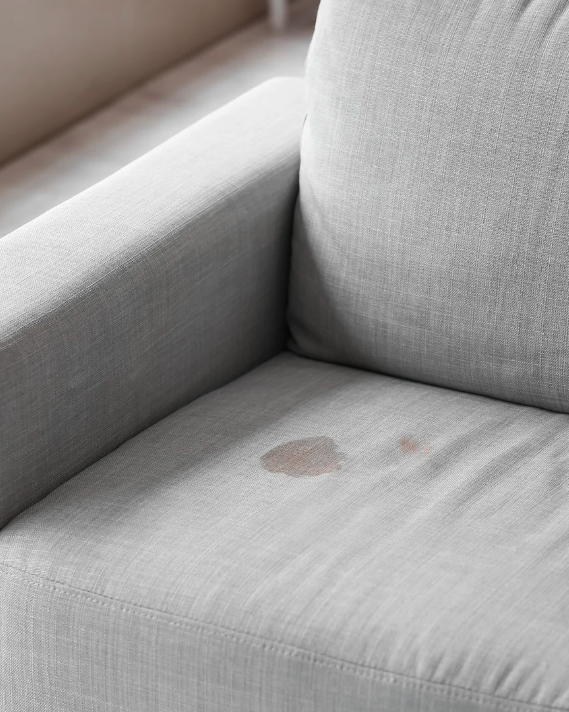
Fabric Code Identification & Compliance
We check every upholstered piece for its fabric care code (W, S, WS, X) before cleaning begins. Using the wrong method for the code, the most common DIY upholstery cleaning mistake, is how velvet gets permanently crushed, microfiber gets watermarked, and wool shrinks.
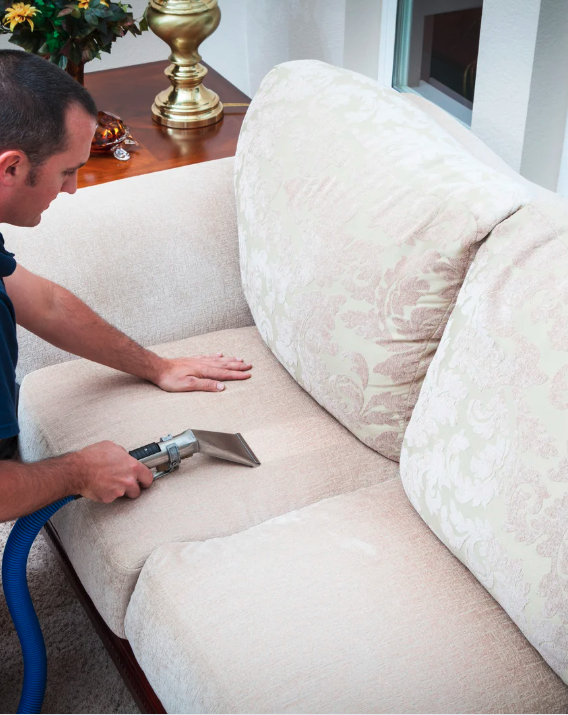
All Fabric Types Accepted
Cotton, linen, velvet, microfiber, wool, silk, jacquard, synthetic blends, full-grain leather, suede, and nubuck. If it's an upholstered piece of furniture, we can almost certainly help.
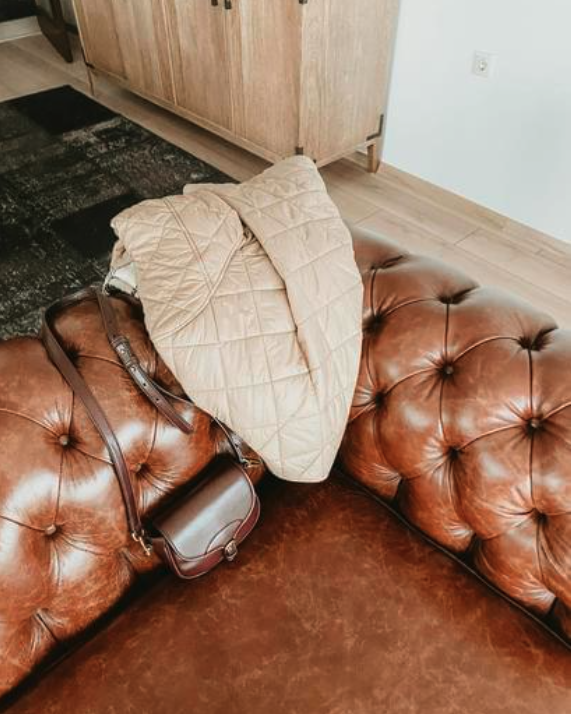
Dedicated Leather Upholstery Service
Leather sofas and armchairs cleaned and conditioned using leather-appropriate products, not generic household cleaners that strip oils and cause long-term damage.
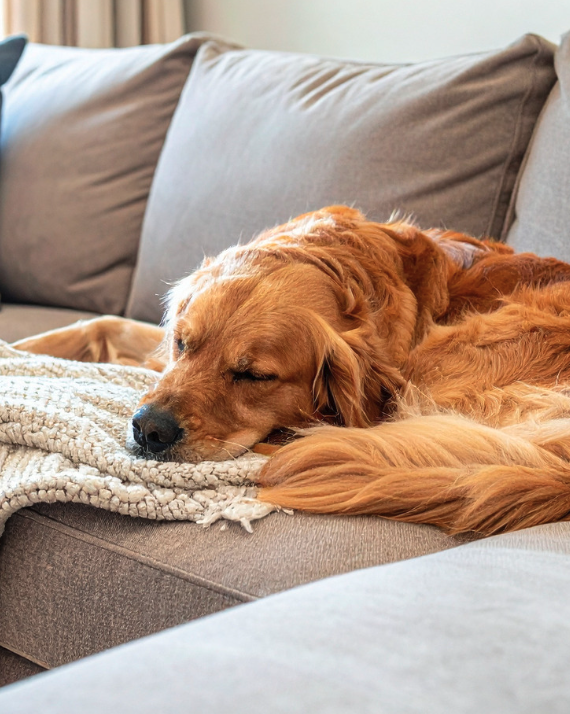
Expert Pet Stain & Odor Treatment
Enzyme-based neutralizers that work at the depth of penetration, not just the surface, addressing the source of the odor, not masking it.
Allergen Removal
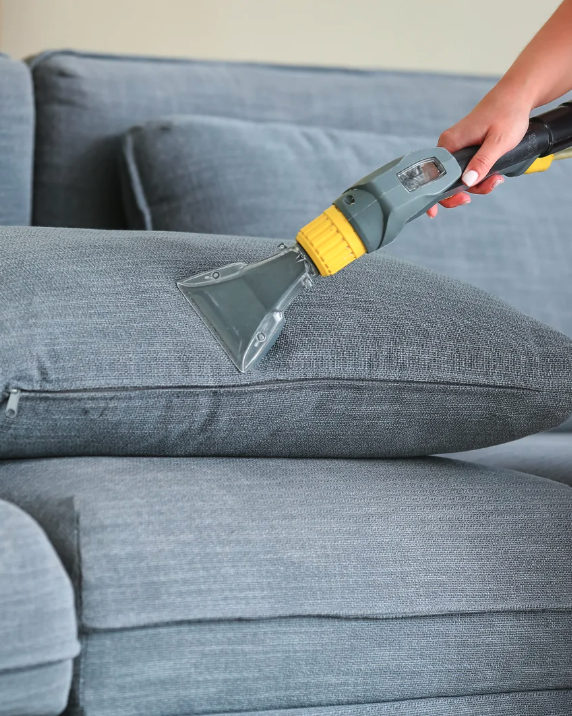
Professional extraction removes dust mites, pet dander, pollen, and mold spores from upholstery fabric at a depth that home vacuuming and steam cleaners cannot reach.
Free Pickup & Delivery for Removable Pieces
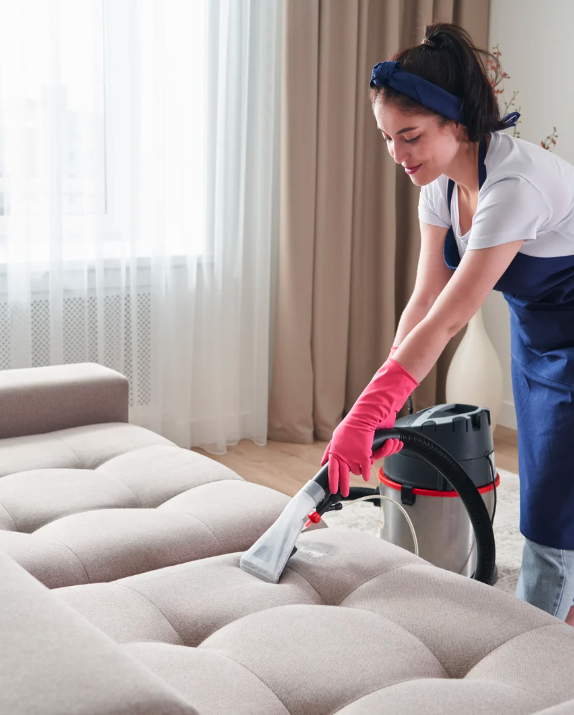
Available throughout West Islip, Bay Shore, Babylon, and surrounding Suffolk County communities. In-home cleaning available on request for non-removable pieces.
Upholstery Fabrics & Materials — What We Clean and How
Fabric / Material |
Cleaning Considerations |
DIY Risk |
|
Cotton & Linen |
Natural fibers are durable but prone to shrinkage and color bleeding if cleaned with hot water or harsh detergents. Many cotton/linen upholstery fabrics are labeled 'dry clean only' (W-code vs. S-code distinction applies). |
Moderate — shrinkage, dye bleed, water rings |
|
Velvet |
The velvet pile is highly directional and easily crushed by incorrect cleaning. Water-based cleaning can create permanent pile crush and shading differences. Requires a specialist dry or solvent-based approach. |
High — pile crush and shading are permanent |
|
Microfiber |
Highly stain-resistant surface, but can develop watermarks from water-based cleaning. Many microfiber sofas are 'S-code' (solvent clean only) despite appearing water-safe. Code must be checked before any cleaning. |
Moderate — watermarks from water on S-code fabric |
|
Wool |
Natural protein fiber, shrinks and felts with hot water; weakened by alkaline cleaners. Cool-temperature, wool-safe specialist cleaning required. |
High — hot water causes irreversible shrinkage |
|
Synthetic (Polyester/Nylon) |
Generally durable and colorfast. Most responsive to water-based extraction cleaning. Still benefits from professional deep extraction that home steam cleaners cannot match. |
Low — the most risk is inadequate drying or residue |
|
Leather (full-grain) |
Smooth full-grain leather cleaned with leather-safe products and conditioned to restore natural oils. Incorrect cleaning products strip oils and cause cracking. |
Moderate — wrong products cause drying and cracking |
|
Faux Leather / PU Leather |
Synthetic leather requires different care than full-grain; some cleaning agents that are safe for genuine leather can damage PU coating. Assessed individually. |
Moderate — coating damage from inappropriate cleaners |
|
Suede & Nubuck Upholstery |
Napped leather surfaces are extremely sensitive to water and most liquid cleaners. Requires dry specialist methods. Very limited DIY options without risking permanent damage. |
Very High — water and household products cause permanent damage |
|
Silk & Silk-Blend Upholstery |
Luxury fabric, water-sensitive, prone to dye bleed, and pile distortion. Rare in everyday upholstery but present in high-end and antique pieces. Specialist assessment required. |
Very High — nearly any home cleaning attempt risks damage |
|
Jacquard & Brocade |
Complex woven fabric with raised pattern. Pattern definition must be preserved; aggressive cleaning or excessive moisture can distort the weave and flatten the design. |
Moderate — pattern distortion and dye irregularity risk |
W-code (water-based cleaning OK), S-code (solvent/dry clean only), WS-code (either method), X-code (vacuum only, no liquid). These codes should be checked on the care tag of every upholstered piece before any cleaning is attempted. Professional cleaners check and interpret these codes as a first step, an important differentiator from DIY methods.
Leather Upholstery Cleaning & Conditioning
Leather sofas, armchairs, and dining chairs require a fundamentally different cleaning approach from fabric upholstery, and using the wrong product or method is one of the most common ways leather furniture is permanently damaged. Here's what our leather upholstery service includes:
- Leather-Safe Cleaning — We use cleaning products specifically formulated for leather, free of harsh detergents, bleach, and solvents that strip leather's natural oils and cause drying, cracking, and color damage. Household multi-surface cleaners and furniture polish are among the most common causes of leather damage.
- Conditioning — After cleaning, leather is conditioned to restore natural oils that daily use and cleaning deplete. Conditioning prevents the drying and cracking that develops in leather that isn't regularly maintained, and it restores the softness and suppleness of the surface.
- Color Assessment — Surface color loss, scuffs, and minor wear patterns on leather are assessed during the cleaning process. Some degree of color restoration may be possible; we'll advise you on what's achievable for your specific piece.
- All Leather Types — Full-grain, top-grain, corrected-grain, and semi-aniline leather sofas and armchairs are all accepted. Faux leather (PU/bonded leather) is handled separately with appropriate methods for the synthetic coating.
- Suede & Nubuck Upholstery — Napped leather surfaces cleaned using dry specialist methods that protect the nap from water damage and maintain the texture.
Upholstery Cleaning Serving All of Suffolk County
Oak Neck Cleaners is located at 945 Montauk Highway in West Islip, NY 11795. Drop off removable cushion covers and smaller upholstered pieces in person (Monday–Friday 7:30 AM–6 PM, Saturday 8 AM–3 PM), or schedule a free pickup and we'll come to you. In-home cleaning service is available by appointment. Call 631-422-4339 to discuss your specific furniture and schedule.
|
West Islip |
Bay Shore |
Babylon |
|
|
|
|
|
|
|
|
|
|
|
Stain Removal & Pet Odor Treatment for Upholstered Furniture
Upholstery stains present differently from garment stains; the fabric is typically non-removable (or difficult to remove), the substrate behind the fabric absorbs liquids deeply, and the wrong cleaning approach can set a stain or damage the fabric permanently. Here's how we approach the most common upholstery stains:
Issue |
Our Approach |
Key Guidance |
|
Pet Urine (Fabric) |
Pet urine penetrates through the fabric surface into the cushion fill below, where surface cleaning can't reach. We treat the full depth of penetration using enzyme-based neutralizers that break down uric acid crystals, eliminating odor at the source rather than masking it. |
Bring in promptly; dried urine is harder to fully neutralize |
|
Pet Urine (Leather) |
Urine on leather must be treated quickly before it penetrates the surface. We clean the leather surface and condition it afterward, but deep penetration into the leather over time can cause permanent odor and surface damage. |
Speed is critical for leather; act within hours if possible |
|
Pet Feces & Vomit |
Solids must be removed carefully without pressing them further into the fabric before any cleaning begins. We treat residual staining and odor with targeted enzyme and biological neutralizer products. |
Do not rub or press solids into the fabric |
|
Red Wine |
Wine stains on upholstery respond significantly better when treated promptly. We use targeted spotting before full extraction to pre-treat the tannin component. Don't apply salt, soda water, or other home remedies, as they can set the stain. |
Treat within hours; skip home remedies |
|
Coffee & Tea |
Tannin-based staining with a possible milk/cream protein component. Two-stage spotting addresses each component separately before extraction. |
Treatable within several weeks, fresh |
|
Grease & Body Oils |
Oil-based staining from food, hair products, and body oils is concentrated at the headrest and armrest areas. Solvent-based pre-treatment before extraction. One of the most common sources of gradual fabric discoloration on sofas. |
Regular cleaning prevents permanent oil embedding |
|
Ink |
Ink stains on upholstery are among the most challenging. Success depends heavily on the ink type (ballpoint vs. marker vs. printer ink), the fabric type, and how long it has been set. We assess before committing to a specific outcome. |
Assess honestly, some inks are permanent |
|
Mold & Mildew |
Upholstery stored in damp conditions or subjected to flooding can develop mold in the fabric and underlying fill. We treat mold with appropriate agents and ensure thorough drying. Some severe mold damage to fabric may be permanent. |
Assess early, mold spreads and weakens the fabric |
How Upholstery Cleaning Improves Indoor Air Quality
Upholstered furniture is one of the largest surface areas in most homes, and one of the most significant accumulation sites for airborne allergens. Unlike hard surfaces that can be wiped clean, fabric upholstery traps and holds allergens at a depth that regular vacuuming and surface cleaning cannot reach:
- Dust Mites — Fabric sofas and armchairs are prime dust mite habitats, warm, sheltered, and rich in the shed skin cells they feed on. Upholstered furniture that hasn't been professionally cleaned in over a year can harbor substantial dust mite populations in the fabric and fill.
- Pet Dander — Pet dander (microscopic skin cells from cats, dogs, and other animals) is highly allergenic and embeds deeply in fabric upholstery through repeated contact. Vacuuming removes surface dander but doesn't extract the deeply embedded particles that professional cleaning reaches.
- Pollen & Outdoor Allergens — Pollen tracked indoors settles on upholstered surfaces and embeds over time, building up seasonally. For allergy sufferers, upholstered furniture acts as a concentrated pollen reservoir that contributes to symptoms throughout allergy season.
- Mold Spores — Upholstery in humid environments can harbor mold spore contamination that contributes to respiratory irritation. Professional cleaning and proper drying prevent mold growth in fabric fill.
- Bacterial Contamination — Body oils, food residue, and moisture create a nutrient-rich environment in upholstery fabric for bacterial growth. Professional cleaning with appropriate sanitizing agents significantly reduces bacterial load.
For households with asthma sufferers, allergy patients, infants, or anyone with immune sensitivities, annual professional upholstery cleaning is a meaningful investment in indoor air quality, particularly for frequently used furniture like sofas and armchairs that accumulate allergens fastest.
Customer Reviews
Upholstery Cleaning FAQ
For most households, professional upholstery cleaning every 12 to 18 months is a reasonable maintenance schedule. Heavily used furniture, the main living room sofa, and a home office chair may benefit from annual cleaning. Homes with pets, children, or allergy sufferers should consider cleaning more frequently. Leather upholstery benefits from professional cleaning and conditioning at least annually to prevent drying and cracking. Lightly used or guest room furniture can typically go 18–24 months between professional cleans.
Yes, pet stain and odor treatment is one of our most common upholstery cleaning requests. Pet urine in particular penetrates through fabric into cushion fill, where surface cleaning can't reach. We use enzyme-based neutralizers that address the odor at the uric acid crystal level, not just the surface. Leather upholstery affected by pet urine should be treated as quickly as possible to prevent deep penetration and permanent odor. The sooner a stained piece is brought in, the better the outcome.
Yes. We clean and condition leather sofas, armchairs, and dining chairs using leather-safe products specifically formulated for leather, not household cleaners, furniture polish, or DIY remedies that can strip oils and cause drying and cracking over time. Leather cleaning includes conditioning after cleaning to restore natural oils and maintain the suppleness and appearance of the leather. We handle full-grain, top-grain, semi-aniline, and corrected-grain leather, as well as faux leather (PU) and suede/nubuck upholstery.
We offer both, depending on your furniture. For removable cushion covers, slipcovers, dining chair seat cushions, and smaller upholstered pieces, we offer a free pickup and drop-off service throughout West Islip, Bay Shore, Babylon, and surrounding Suffolk County communities. For large non-removable pieces, full sofas, sectionals, and built-in seating, in-home cleaning is available by appointment. Call 631-422-4339 to discuss your specific furniture, and we'll advise on the best approach.
We clean all standard upholstery fabrics, including cotton, linen, velvet, microfiber, wool, polyester, nylon, jacquard, brocade, and all leather types. We always check the manufacturer's care code (W, S, WS, or X) before cleaning to ensure the correct method is applied; using the wrong method for the fabric code is the most common cause of DIY upholstery cleaning damage. For unusual, antique, or delicate fabrics, we assess them individually and advise before proceeding.
Yes. Our free pickup and delivery service is available throughout West Islip, Bay Shore, Babylon, East Islip, Lindenhurst, and surrounding Suffolk County communities. Schedule online or call 631-422-4339. For removable cushion covers, slipcovers, and smaller pieces, simply schedule a pickup, and we'll collect, clean, and return your items.
Yes, with individual assessment. Antique and vintage upholstered pieces, particularly those with original fabric, delicate construction, or aged materials, are examined individually before any cleaning begins. We assess the fabric condition and care code, fiber type, dye stability, and any structural concerns, and discuss our recommended approach and realistic expectations with you before any work starts. Call 631-422-4339 before bringing in or scheduling pickup for antique upholstered pieces.