Shirt Laundering Service on Long Island: Professional Finishing vs. Home Washing for Business Professionals
A professional shirt laundering service on Long Island produces results that home washing cannot replicate, not because of better detergent, but because the equipment, process, and finishing technique are fundamentally different. For business professionals who wear dress shirts five days a week, the cumulative difference between the two methods shows up not in a single wash but in how a shirt looks, fits, and holds up after 50 of them. This breakdown covers what that difference actually is, what professional shirt laundering involves, and how to think about the value it delivers over time.
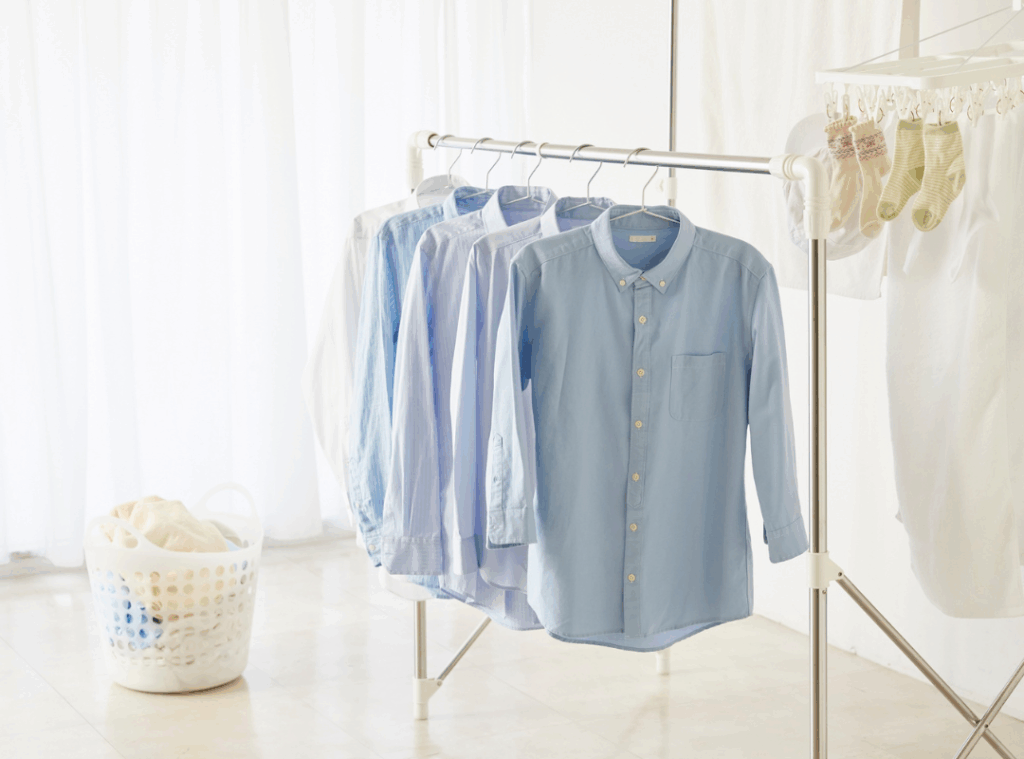
What Home Washing Does to a Dress Shirt Over Time
Collar Wear, Fabric Pilling, and the Damage That Builds Slowly
The damage that home washing causes to dress shirts is rarely dramatic in any single cycle. It accumulates. A quality dress shirt machine-washed weekly will begin showing visible wear within six to twelve months in ways that a professionally laundered shirt of the same quality typically will not.
Collar degradation is the most common complaint. The collar band is the most structured part of a dress shirt, and it is also the most vulnerable to the combination of agitation, heat, and spin force that home machines apply. The fusing that gives the collar its shape begins to separate. The fabric along the collar edge frays. The result is a collar that no longer lies flat and a shirt that reads as worn regardless of how new it is.
Fabric pilling occurs as fibers break and ball on the surface of the shirt during agitation. It is most visible on the back panel and under the arms, where contact with other items in the machine is highest. Pilling is irreversible. Once the fiber surface is disrupted, no amount of subsequent care restores it.
Button stress is the third area of accumulative damage. Buttons on dress shirts are not designed for the mechanical forces of a spin cycle. Repeated home washing cracks and chips buttons over time and stresses the button thread at each anchor point, eventually leading to lost buttons at the worst possible moments.
What “Finished Laundering” Actually Means
Professional shirt laundering is not a more careful version of what a home machine does. It is a different process with different equipment at every stage.
Shirts are washed in commercial equipment calibrated for fabric type and soil level, using water temperatures and cycle times that clean thoroughly without the mechanical stress of a residential drum. After washing, the finishing stage is where professional laundering separates itself entirely from anything achievable at home.
Finishing involves a combination of specialized pressing equipment, collar and cuff presses, sleeve boards, and body forms, that shape the shirt in three dimensions rather than flattening it against a board. A trained finisher works systematically through each section of the shirt, pressing the placket straight, setting the collar points flat, and creating crisp, even cuffs that hold their shape throughout a full day of wear.
Starching is applied at a concentration and to sections of the shirt where it supports structure without making the fabric feel stiff throughout. A lightly starched collar and cuffs, for example, maintains the polished appearance of a dress shirt through a long workday in a way that no amount of home ironing achieves consistently.
The shirt is then either hung on a proper form hanger with a protective cover or folded and boxed, depending on the client’s preference. Either way, it arrives back ready to wear, not ready to be ironed again.
The Time and Value Case for Professional Laundering
The practical argument for a professional shirt laundering service is straightforward when the actual inputs are compared side by side.
| Factor | Home Washing | Professional Laundering |
|---|---|---|
| Time per shirt | Wash, dry, and iron: 20 to 40 minutes of active time per shirt across the full cycle | Drop off or schedule pickup; shirts returned ready to hang and wear |
| Finish quality | Inconsistent; dependent on ironing skill and time invested | Consistent professional finish on collar, cuffs, placket, and body every time |
| Collar integrity | Degrades over 6 to 12 months of regular machine washing | Preserved through gentle washing and structured pressing |
| Stain removal | Limited; collar soil and cuff stains often persist | Pre-treatment applied to collar, cuffs, and flagged stains before washing |
| Garment lifespan | Accelerated wear; visible degradation within 1 to 2 years | Extended lifespan through reduced mechanical stress and proper finishing |
| Convenience | Done at home but requires consistent time investment | Pickup and delivery available; shirts rotate on a set schedule |
For someone wearing five dress shirts a week, the home ironing time alone adds up to several hours per month. That is time spent producing a result that is, by most professional standards, a reasonable but clearly inferior approximation of a finished shirt.
Which Shirts Benefit Most from Professional Laundering
Any dress shirt benefits from professional laundering, but the return on investment is highest for shirts made from fine cotton, linen, or cotton-linen blends. These are the fabrics most sensitive to home washing damage and most visibly improved by professional finishing. Sea island cotton, Egyptian cotton, and two-ply poplin shirts in particular respond to structured pressing in a way that makes a material difference in how the shirt reads when worn.
Custom and made-to-measure shirts represent an even stronger case. A shirt made to fit correctly should be maintained in a way that preserves that fit. Home washing introduces shrinkage variability and fabric stress that affects fit over time. Professional laundering keeps the shirt in the same condition it was in when it performed at its best.
Our professional shirt laundering service is available for individual orders and recurring scheduled pickups. For business professionals on Long Island who also need dry cleaning for suits and tailored garments, both services can be combined into a single scheduled pickup through our pickup and delivery service. A full list of garment care services is available on our services page.
Frequently Asked Questions
What is the difference between shirt laundering and dry cleaning?
Shirt laundering is a wet cleaning process using water and detergent, followed by professional pressing and finishing. Dry cleaning uses chemical solvents rather than water and is typically used for structured garments like suits and jackets, or for fabrics that cannot be safely wet cleaned. Most dress shirts are laundered rather than dry cleaned, though the finishing process in professional shirt laundering is far more involved than standard home washing and ironing.
How often should dress shirts be professionally laundered?
After every one to two wears is the standard recommendation for dress shirts worn in professional settings. Collar and cuff soil, body oils, and perspiration accumulate quickly and become harder to remove the longer they are left in the fabric. For business professionals wearing shirts daily, a weekly or twice-weekly laundering schedule is practical and keeps the wardrobe rotating consistently.
Does professional laundering shrink shirts?
Professional laundering uses controlled water temperatures appropriate for the fabric and avoids the high heat that causes shrinkage in home dryers. Most shrinkage in dress shirts occurs in the first few washes as the fabric stabilizes, and this is true regardless of whether the shirt is laundered at home or professionally. After that initial period, professionally laundered shirts maintain their dimensions more consistently than home-washed shirts because they are not subjected to variable heat and spin cycles.