Dry Cleaning Pickup and Delivery on Long Island: How to Choose a Service You Can Actually Trust
Dry cleaning pickup and delivery on Long Island is not a one-size-fits-all service, the quality of what you get back depends almost entirely on who is doing the cleaning and how they handle your garments from the moment they leave your door. Most households that try a delivery dry cleaner and abandon it do so not because the concept failed them, but because they chose the wrong service without knowing what to ask first. This guide gives you the six questions worth asking before you commit, the red flags that signal a service is not worth your garments, and what to look for when evaluating your first return order.
Six Questions to Ask Any Delivery Dry Cleaner Before You Hand Over Your Garments
1. Is the Cleaning Done In-House or Sent to a Third Party?
This is the most important question on the list, and it is the one most people never think to ask. A growing number of dry cleaning delivery services operate as aggregators, they pick up your garments, route them to whichever facility is available, and deliver them back. You have no relationship with the cleaner, no consistency in who handles your items, and no clear line of accountability when something goes wrong.
A cleaner who processes garments in their own facility is accountable for every result. They know their equipment, their staff, and their process. When you call with a concern, you are talking to the people who actually cleaned your clothes. That distinction matters significantly for high-value or delicate items.
At Oak Neck Cleaners, all garments are cleaned in-house at our West Islip facility. Nothing is routed to a third party.
2. What Is the Standard Turnaround Time?
Turnaround time varies widely between services, and a vague answer here is worth paying attention to. A reliable dry cleaner can give you a specific number of business days for standard items and will tell you upfront which items take longer, structured garments, specialty pieces, or high-volume periods like the weeks before major holidays.
Ask specifically whether the quoted turnaround applies to all items or just standard cleaning. Wedding gowns, leather pieces, and heavily soiled garments often require additional time. Knowing this before you drop off prevents frustration when a jacket you needed Thursday is not back until the following Monday.
3. How Are Stains Communicated and Handled?
Stain treatment is where the gap between professional and mediocre cleaning is most visible. A quality cleaner inspects every garment on intake, identifies stains, and pre-treats them before the cleaning cycle begins. They will contact you if a stain may not be fully removable so you are not surprised when the item comes back.
Ask the service directly: what happens if you notice a stain during intake that the customer did not mention? If the answer is vague, that is a signal. If the answer involves a specific pre-treatment process and a communication step, that is the standard to expect.
4. What Is the Process When Something Goes Wrong?
Every cleaner will tell you they never make mistakes. Ask instead what happens when a garment comes back with an issue, a stain that was not fully removed, a button that was damaged, or a finishing result that does not meet your standard. A service with a clear, specific process for handling complaints is one that expects to stand behind its work. A service that deflects or gives a non-answer is one that has not thought through accountability.
5. How Are Garments Packaged and Returned?
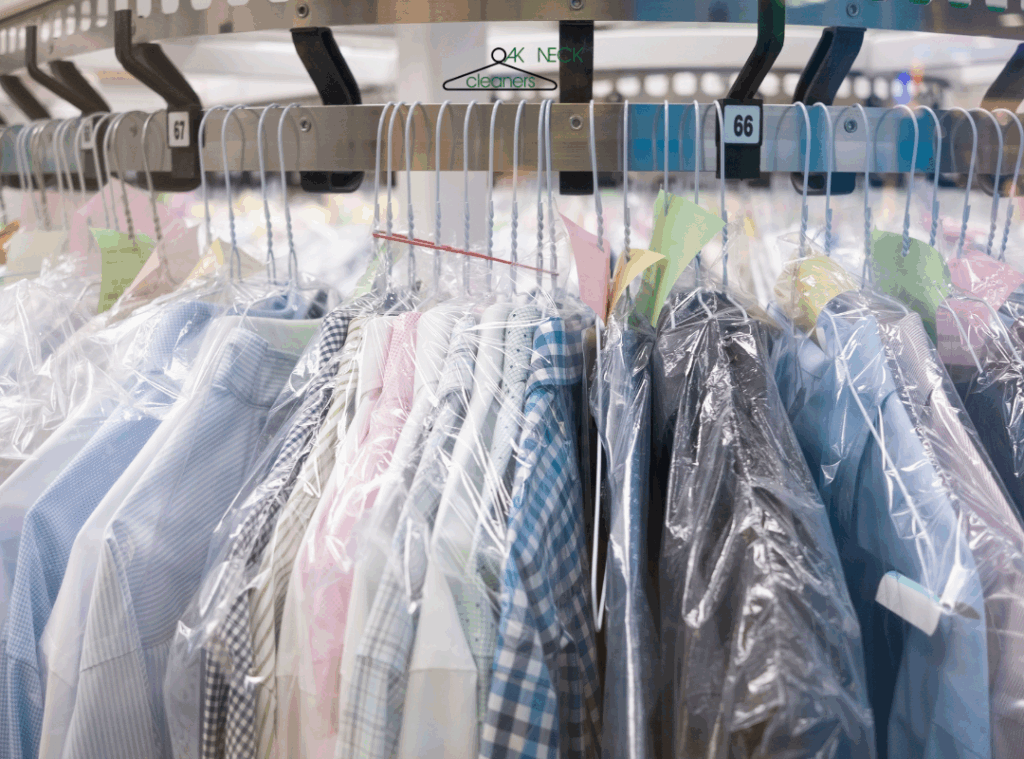
The condition of a garment when it arrives back tells you a great deal about how it was handled throughout the process. Dress shirts and structured garments should be returned on proper form hangers inside protective covers. Folded items should be boxed or bagged cleanly. A garment that has been cleaned correctly but crushed into a delivery bag has not been handled correctly.
Plastic garment bags that seal tightly are also a concern for anything stored for more than a day or two. Plastic traps moisture and can promote the musty odor that professional cleaning is meant to eliminate.
6. Can You Set Standing Preferences on Your Account?
A quality delivery service allows you to communicate your preferences once, hanger or folded, light starch or heavy, specific care notes for recurring items, and stores them on your account so you do not have to repeat yourself every pickup. This is not a luxury feature. It is the baseline for a service that is actually built around regular household use rather than one-time orders.
Red Flags That Signal a Service Is Not Worth Your Garments
Even with the right questions asked, some signals in the answers are worth taking seriously:
- No itemized receipt or intake list. If you cannot confirm what went in, you cannot confirm what came back or what was charged for each item.
- Vague or shifting answers about cleaning location. If the service cannot clearly state where cleaning happens, it is likely routed.
- No stated process for damaged or unsatisfactory items. A cleaner confident in their work has a clear answer to this. One that does not is telling you something.
- Garments returned in plastic sealed bags. Correct finishing means garments returned in breathable covers or properly boxed, not sealed plastic.
- Unusually short turnaround promises. Legitimate professional cleaning takes the time it takes. A service promising same-day cleaning for complex garments is cutting corners somewhere.
How to Evaluate Your First Order
The first return from any delivery dry cleaner is a quality audit, whether you treat it that way or not. Here is what to look for systematically:
- Collar and cuff finish on dress shirts. These are the hardest parts of a shirt to press correctly. A flat, even result with no sheen marks indicates professional equipment and technique.
- Stain removal on flagged items. Any stain you communicated at pickup should have been addressed. If it was not fully removed, the cleaner should have told you in advance.
- Garment shape on structured pieces. Jackets and blazers should come back holding their shape, not flattened or misformed from pressing.
- Odor. Professionally cleaned garments should smell neutral, not heavily scented, not chemically sharp, not musty. Any of those is a sign something in the process was off.
- Hanger and packaging quality. Proper hangers, protective covers, and clean folding are the baseline. Below that baseline and the service is not operating at a professional standard.
Our dry cleaning pickup and delivery service covers West Islip, Bay Shore, Babylon, and surrounding Suffolk County communities, with all cleaning handled in-house. For households with a mix of garment types, our professional dry cleaning and wash, dry, and fold service can be combined into a single scheduled pickup. A full overview of available services is on our services page.
Frequently Asked Questions
How does dry cleaning pickup and delivery work on Long Island?
You schedule a pickup time, leave your garments ready at the door or with a designated person, and the driver collects them. Items are cleaned at the facility and returned on the agreed delivery date. Most established services allow recurring pickup schedules so the process runs automatically without requiring a call each time. Turnaround is typically two to three business days for standard items, though specialty pieces may take longer.
Is there a minimum order for dry cleaning pickup and delivery?
Minimums vary by service. Some cleaners offer free pickup and delivery above a minimum order value, while others apply a delivery fee below a certain threshold. The practical consideration is whether the service makes financial sense relative to your regular volume. For households with consistent weekly laundry needs, most delivery services offer favorable terms once a recurring schedule is established.
What should I do if a garment comes back from the dry cleaner with a problem?
Contact the cleaner directly and as soon as you notice the issue. Document the problem with a photo before the garment is worn or altered further. A reputable dry cleaner will have a clear process for re-cleaning, compensating, or resolving the issue. If the service does not have a stated process for this, that is worth knowing before you hand over high-value garments.