Leather Cleaning Service on Long Island: What Happens When You Skip Professional Care
Leather and suede are two of the most rewarding materials to own and two of the most punishing to neglect. As a professional leather cleaning service serving Long Island, we see the same story play out regularly: a client brings in a jacket, a handbag, or a pair of boots that looked beautiful a season ago and now shows cracking, staining, or a dull, lifeless surface. In most cases, the damage did not happen from use. It happened from the wrong kind of care.
Understanding why leather and suede behave so differently from everyday fabrics is the first step toward protecting them for the long term.
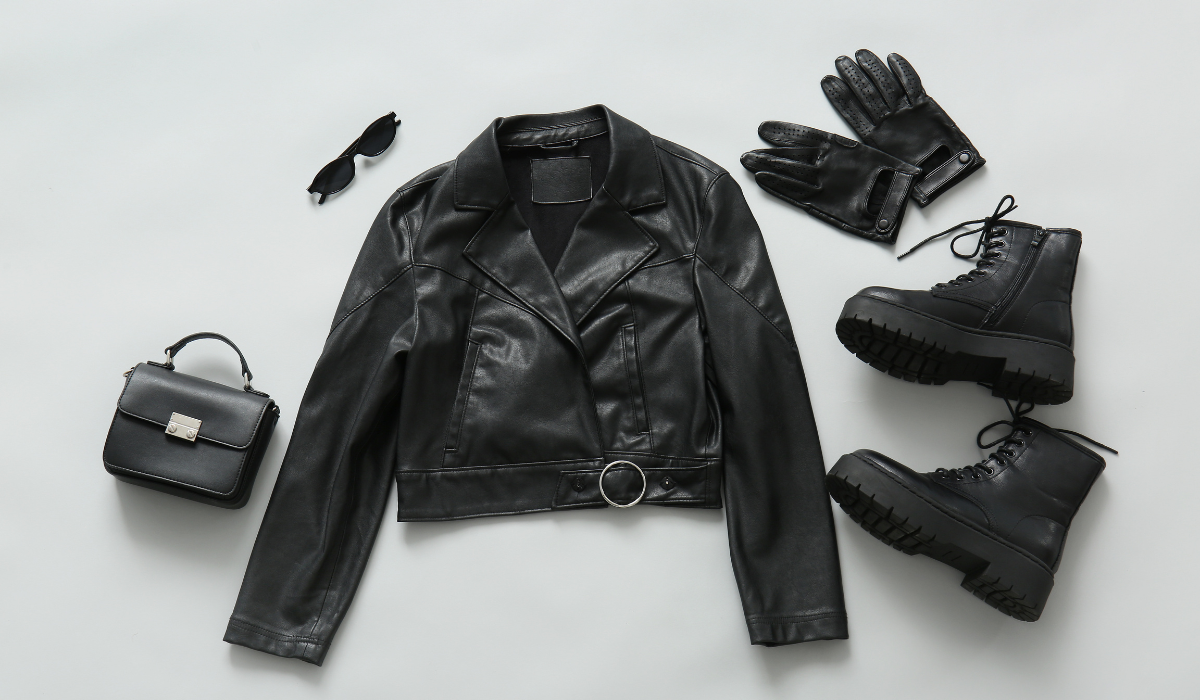
Why Leather and Suede Are Not Like Other Materials
The Structural Difference That Changes Everything
Woven fabrics like cotton, linen, and polyester are made from fibers that can handle agitation, water, and detergent within reason. Leather is not a woven material. It is animal hide that has been tanned and treated to become supple and durable. That tanning process gives leather its character, but it also makes it highly sensitive to the wrong cleaning agents.
Suede is the inner split of the hide, buffed to create a soft, napped surface. That nap is delicate. Once it is matted, stained, or saturated with moisture, restoring it requires specialized tools and techniques that simply are not available at home.
Both materials contain natural oils that keep them flexible. When those oils are stripped by harsh detergents or excessive water, the material begins to dry out, stiffen, and eventually crack.
Common DIY Mistakes and the Damage They Cause
Most leather damage we treat at Oak Neck Cleaners traces back to one of these mistakes:
- Water exposure: Water causes leather to stiffen and warp as it dries. On suede, water leaves permanent tide marks that alter the nap and change the color tone in that area. Many people assume suede is washable because it feels soft. It is not.
- Wrong conditioners: Not all leather conditioners are created equal. Petroleum-based products, baby oil, and general-purpose leather sprays can clog the pores of the hide, leading to breakdown over time rather than preservation. Suede should never be conditioned with the same products used on smooth leather.
- Heat drying: Placing a wet leather or suede item near a radiator, in direct sunlight, or using a hair dryer accelerates moisture loss so rapidly that the material contracts and cracks before the natural oils have time to redistribute. We have seen jackets rendered irreparable this way.
- Abrasive scrubbing: Attempting to lift a stain by rubbing it with a cloth, brush, or sponge drives the stain deeper into the hide and damages the surface finish. On suede, this permanently disrupts the nap direction.
- Household cleaners: Products like dish soap, stain removers, and all-purpose sprays are formulated for hard surfaces or synthetic textiles. On leather, they strip protective coatings and alter pH balance, causing discoloration and surface cracking.
What Professional Leather Cleaning Actually Involves
Professional leather and suede cleaning is not simply a gentler version of what you could do at home. It is a fundamentally different process that requires training, specific equipment, and product knowledge that takes years to develop.
At Oak Neck Cleaners, our leather and suede cleaning service follows a structured process tailored to each item:
- Inspection and material identification: Before anything is applied to the garment, we assess the type of hide, the finish, the construction, and the nature of any staining or damage. Aniline leather, pigmented leather, nubuck, and suede all require different approaches.
- pH-balanced cleaning: We use professional-grade, pH-neutral solutions specifically formulated for leather and suede. These lift soil and odor without stripping the hide’s natural oils or protective coating.
- Stain treatment: Targeted stain removal is applied before the general cleaning process, using appropriate solvents for the stain type. Salt lines, oil stains, and ink each respond to different treatments.
- Reconditioning: After cleaning, conditioner matched to the material type is worked into the hide to restore suppleness and prevent drying. This step is what separates professional cleaning from any home attempt.
- Color restoration: Where fading, scuffing, or wear has affected the surface color, we can apply professional color correction to bring the item back closer to its original appearance.
- Suede nap restoration: Using specialized brushes and finishing tools, the suede nap is raised and reset in a uniform direction, restoring the original texture and sheen.
How Often Should Leather and Suede Be Professionally Cleaned?
For regularly worn leather jackets, bags, and footwear, professional cleaning once per season is a reasonable standard. Suede items, which are more vulnerable to environmental exposure, benefit from professional attention at the start and end of each season they are worn.
Items that are stored for long periods should be cleaned before storage, not after. Invisible body oils and environmental soils left on the surface oxidize during storage and become significantly harder to remove after months in a closet.
Our specialty cleaning services cover a wide range of leather and suede items, from structured handbags and designer jackets to boots, gloves, and accessories. You can also browse our full range of garment care options on our services page.
Frequently Asked Questions
Can suede be professionally cleaned if it already has water stains?
In most cases, yes. Water stains on suede are caused by uneven moisture absorption that alters the nap and leaves a tide mark. Professional cleaning can often even out the moisture damage and restore the nap, particularly if the item is treated before the stain has fully set. Older, untreated water damage may leave some residual variation in tone, but professional results are almost always significantly better than the DIY alternatives.
Is it safe to use leather conditioner at home between professional cleanings?
A quality, pH-balanced leather conditioner applied lightly once or twice a year can help maintain suppleness between professional cleanings. The key is using a product formulated specifically for the type of leather you own. When in doubt, bring the item in and ask. Using the wrong conditioner too frequently is one of the most common causes of long-term surface breakdown we see.
How do I know if my leather jacket is beyond repair?
Deep cracking through multiple layers of the hide, complete color loss across large areas, or structural separation of seams due to rotting are signs that restoration may not be fully possible. That said, many items that clients assume are ruined can be significantly improved with professional treatment. We recommend bringing the item in for an assessment before writing it off. You may be surprised at what is recoverable.
Have more questions about caring for your leather and suede pieces? Visit our dry cleaning and tailoring FAQ page for answers to the questions we hear most often from clients across West Islip and the surrounding area.