Bridal Gown Dry Cleaning in Babylon: When to Alter, Clean, and Preserve Your Dress
For brides in and around Babylon, bridal gown dry cleaning is one of those tasks that feels easy to defer. The wedding is over, the photos are in, and the dress is hanging in its garment bag. But what is happening inside that bag matters more than most brides realize. The window for protecting your gown from permanent damage is shorter than you think, and the decisions you make in the months before and after your wedding directly determine whether your dress is a keepsake or a casualty.
This timeline breaks down exactly what to do, and when, so your gown arrives at the altar in perfect condition and survives the reception looking like it can be passed down for generations.
The 6-Month Bridal Gown Timeline: Alterations, Cleaning, and Preservation
6 Months Out: Schedule Your First Fitting and Alteration Consultation
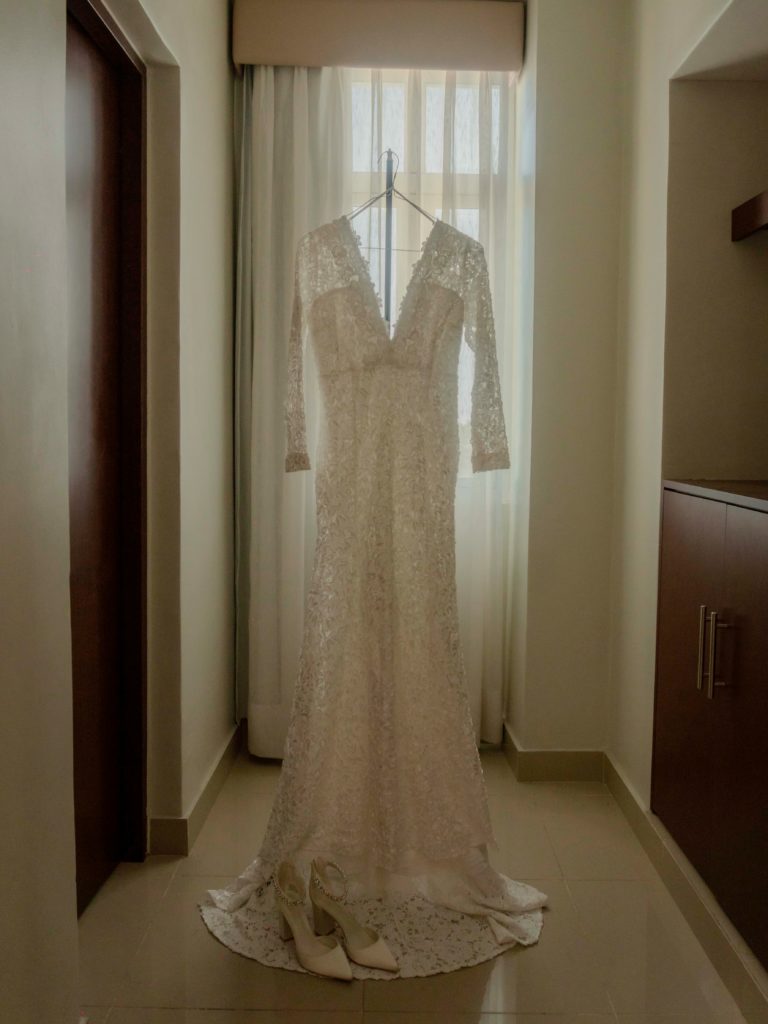
Six months before the wedding is the right time to have your gown assessed by a professional tailor. Most bridal gowns require at least two to three fittings, and complex alterations, such as taking in a structured bodice, reshaping a train, or adding a bustle, can take four to six weeks on their own.
Rushing alterations is one of the most common and costly mistakes brides make. A seam that is let out at the last minute, or a hem that is cut too short, cannot always be corrected before the ceremony. Starting early gives the tailor room to work properly and leaves time for adjustments after the initial fitting.
3 Months Out: Final Fittings and Steaming
By the three-month mark, your alterations should be complete or nearly finished. Your final fitting should happen close enough to the wedding that your body measurements are stable, but with enough lead time to address any remaining adjustments.
At this stage, also confirm whether your bridal shop or tailor will steam the gown before delivery. If not, plan to have it professionally pressed closer to the wedding date. Do not attempt to iron a bridal gown at home. The combination of heat-sensitive fabrics, beading, and delicate lace makes home pressing a significant risk.
Wedding Day: Protect the Dress From the Start
This may sound obvious, but protecting the gown on the wedding day itself has a direct impact on what post-wedding cleaning can and cannot fix. A few practical steps:
- Apply deodorant and allow it to dry fully before putting the dress on. Wet product transfers to fabric and can oxidize into a yellow stain that is difficult to remove.
- Apply perfume and hairspray before the dress goes on, not after. Alcohol-based sprays can affect dye and cause spotting on delicate fabrics.
- Assign someone to bustle the train promptly after the ceremony. A dragging train picks up floor-level soil, oil, and debris that embeds deeper with every step.
- Avoid placing the gown in a plastic bag at the end of the night. Plastic traps moisture and accelerates yellowing.
Within 2 Weeks After the Wedding: The Critical Cleaning Window
This is the part most brides do not hear until it is too late. The single most important thing you can do for your gown after the reception is bring it in for professional cleaning as quickly as possible, ideally within one to two weeks.
Here is why. Many of the substances that contaminate a wedding gown during the reception are invisible when they first absorb into the fabric. Champagne, white wine, perspiration, body oils, and even some food spills do not show up as visible stains right away. But over time, and especially when the dress is stored in a warm or fluctuating environment, those organic compounds oxidize. What was a clear spot becomes a yellow or brown stain that has bonded with the fibers at a molecular level.
Oxidized stains are significantly harder to remove than fresh ones. In some cases, they cannot be fully removed at all without risking damage to the fabric. The dress that looked pristine going into the garment bag can emerge months later with staining that was not there before, because the stains were always there, they just were not visible yet.
Professional wedding gown cleaning and preservation removes both visible and invisible soils before oxidation has a chance to set in. That is the difference between a gown that looks the same in 20 years and one that does not.
What Professional Bridal Gown Cleaning Actually Involves
Bridal gown cleaning is not the same as standard dry cleaning. A wedding gown typically involves multiple fabric types in a single piece: silk charmeuse, lace, organza, tulle, beaded embellishments, and structured boning, all of which may require different handling.
At Oak Neck Cleaners, each gown is inspected before cleaning begins. Stains are pre-treated individually based on their composition and the fabric they are on. The cleaning method, whether solvent-based or wet cleaning, is selected to match the specific construction of the gown, not applied uniformly across all pieces.
After cleaning, the gown is finished, inspected again, and prepared for preservation if requested.
Preservation: What It Is and What to Expect
Wedding gown preservation is the process of cleaning, packaging, and storing a gown in a controlled environment designed to slow fabric degradation over time. A properly preserved gown is folded with acid-free tissue, boxed in an archival container, and sealed to minimize exposure to light, humidity, and airborne pollutants.
Preservation is not a guarantee that the gown will never yellow. All organic fibers change over decades. But proper preservation significantly slows that process compared to storing a gown in a standard garment bag in a closet.
| Storage Method | Expected Outcome Over Time |
|---|---|
| Plastic garment bag, uncleaned | Yellowing within 1 to 3 years; trapped moisture accelerates oxidation |
| Cleaned, stored in cotton bag | Better than plastic; still subject to light and humidity exposure |
| Professionally cleaned and preserved | Slowest rate of degradation; best chance of long-term wearability |
Why Local Expertise Matters for Babylon Brides
Sending a gown through a mail-in service means it is handled by people who have never seen the dress in person and cannot assess the fabric, embellishments, or staining in real time. For a garment this significant, that is a meaningful risk.
Working with a local specialist means your gown is inspected by someone who can ask the right questions, identify potential problem areas before cleaning begins, and be accountable for the result. You can review our full range of garment care offerings on our services page, and if you have questions about what to expect, our FAQ page covers the most common ones.
Frequently Asked Questions
How long after the wedding can I wait to have my gown cleaned?
The sooner the better, but within two weeks is strongly recommended. Many stains that are invisible immediately after the reception, including champagne, perspiration, and body oils, will oxidize and become permanent over time. Waiting several months significantly increases the risk of staining that cannot be fully reversed.
How much does bridal gown dry cleaning and preservation cost near Babylon?
Cleaning alone typically ranges from $150 to $300 depending on the gown’s construction, fabric, and the extent of soiling. Preservation adds to that cost but extends the useful life of the garment considerably. The combined investment is a fraction of what the gown originally cost, and far less than the regret of finding it yellowed years later.
Can a yellowed wedding gown be restored?
Sometimes, but not always. Lightly yellowed gowns that were cleaned before storage may respond to professional treatment. Gowns that were stored uncleaned and have oxidized stains set into the fibers are much more difficult to restore, and in some cases, full restoration is not possible without risking fabric damage. Prevention is far more reliable than restoration.
Is wedding gown preservation worth it if I do not plan to pass the dress down?
Yes. Preservation protects the option. Many brides who do not initially plan to pass a gown down change their minds years later. Others want to repurpose the fabric. A gown that has been properly preserved keeps those options open. One that has yellowed or degraded in storage does not.