The Sustainable Wardrobe Secret: Transforming Thrifted Finds Through Tailoring
We live in an era where fast fashion trends cycle at dizzying speeds, leaving environmental damage and overflowing landfills in their wake. For style-conscious individuals, busy professionals, and event-goers, the shift toward sustainability isn’t just a buzzword; it’s a necessary evolution in how we curate our closets.
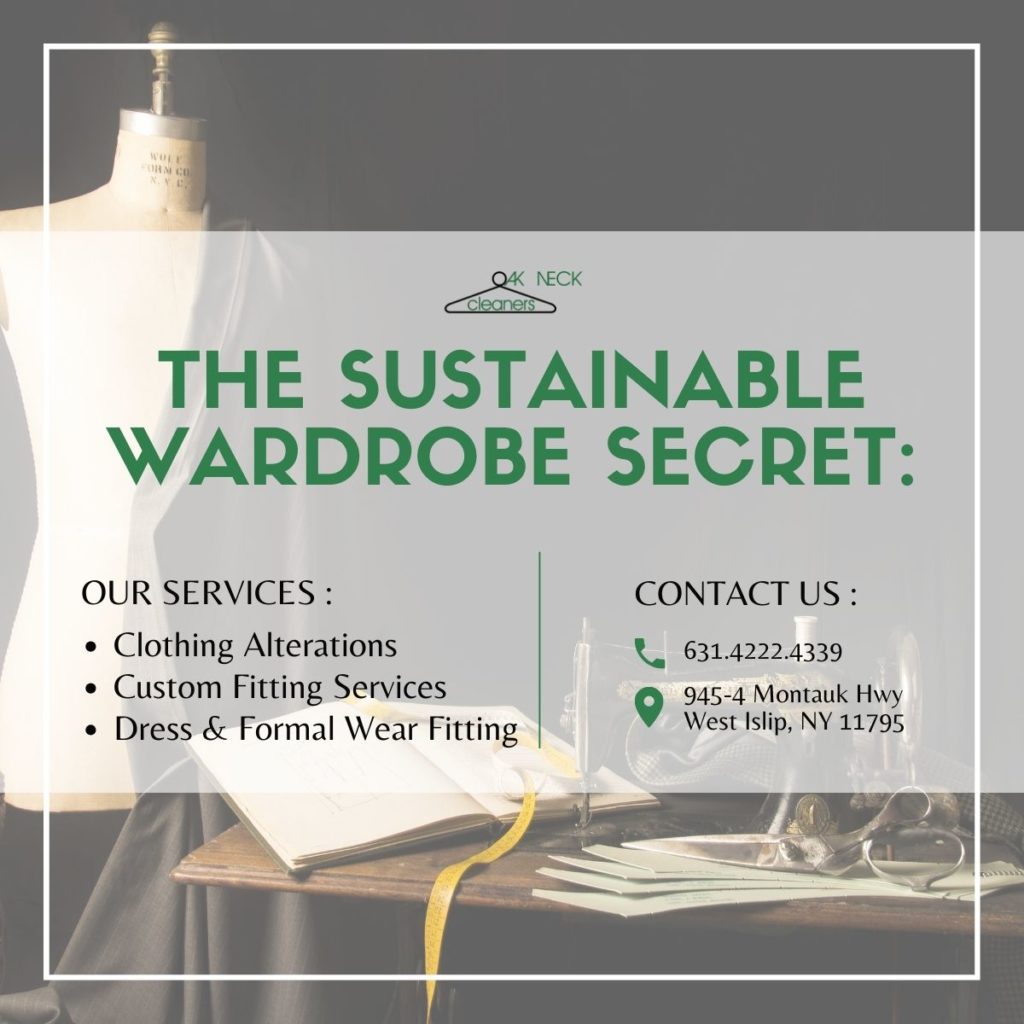
The thrill of the thrift hunt is undeniable, but finding a vintage piece that fits perfectly right off the rack is rare. In this post, we explore why professional tailoring is the ultimate eco-friendly fashion hack, how to spot garments with “good bones” worthy of investment, and the real ROI of restoring quality vintage pieces versus buying fast fashion.
The rising popularity of thrifting and vintage shopping is a fantastic antidote to disposable fashion. But there is often a significant gap between finding an incredible vintage Armani blazer or a high-quality silk dress at a consignment shop and actually being able to wear it to a boardroom meeting or a gala.
The missing link is professional tailoring.
As experienced garment care professionals, we see firsthand that the most sustainable garment isn’t the one made from recycled plastic bottles; it’s the high-quality piece that already exists,
Why Tailoring is the Ultimate Eco-Friendly Hack
Buying second-hand is inherently sustainable because it requires no new resources to produce the garment. However, if a thrifted item sits in the back of your closet because the shoulders are too wide or the hem is too long, its sustainable potential is wasted.
Tailoring unlocks that potential. By investing in alterations, you are extending the lifecycle of a garment that might otherwise end up in a landfill.
A Vogue article on sustainable shopping rightly noted that tailoring is the most crucial step in building a responsible wardrobe. It transforms garments from “dated” to “timeless.” When clothes fit you impeccably, you feel confident in them, meaning you wear them more often and keep them longer. That longevity is the essence of sustainability.
The Art of the Hunt: Spotting “Good Bones
If you want to build a sustainable wardrobe through thrifting and tailoring, you need to know what to look for. You can’t alter everything successfully.
With decades of collective experience in carrying out alterations, our tailors recommend looking past the immediate style of a garment and focusing on its “bones.”
Here is how to evaluate a potential thrift store treasure:
1. Prioritize Natural Fibers
The fabric is the most important element. Fast fashion relies heavily on cheap synthetics that pill, stretch, and retain odors. When thrifting, look for natural materials.
- Wool and Cashmere: These are resilient, drape beautifully, and respond exceptionally well to tailoring and pressing. A vintage wool suit has immense potential.
- Silk: While delicate, high-quality silk is timeless and worth the investment of professional care.
- 100% Cotton and Linen: These fabrics breathe well and endure through years of wear, actually improving with age.
2. Check the Construction
How the garment was originally put together tells you if it will survive the alteration process.
- Lining Quality: Is the lining intact? A shredded lining can be replaced, but it adds significant cost. A good quality, intact acetate or silk lining is a huge plus.
- Hardware: Check zippers, buttons, and clasps. Are they sturdy metal or cheap plastic? Replacing a zipper on a structured dress is a complex task, so ensure the original is worth saving.
3. The Crucial “Seam Allowance”
This is the secret weapon for tailoring. If a garment is slightly too tight, look inside at the seams. Is there extra fabric folded over where the pieces join?
- The “Let-Out” Test: High-quality vintage garments often leave generous seam allowances (sometimes an inch or more), allowing a tailor to let the garment out by a size or two. Modern fast fashion rarely leaves any extra fabric. If there is no seam allowance, the garment cannot be made larger.
The ROI of Restoration: Vintage vs. Fast Fashion
We often hear customers hesitate at the cost of alterations. “Why spend $60 tailoring a jacket I bought for $20?”
This is where you have to shift your mindset from initial cost to long-term value and Return on Investment (ROI).
Let’s look at the numbers. You could buy a new, trendy blazer from a fast-fashion retailer for $80. It will likely be made of a polyester blend, fit “okay,” and show signs of wear after a season.
Alternatively, you find a structured, 100% wool vintage blazer for $25. It’s boxy, and the sleeves are too long. You invest $75 in professional tailoring to slim the waist and shorten the sleeves.
Your total investment is $100. But what you have now is a custom-fitted garment made of superior fabric that would cost $400+ if bought new today. This piece will last for years, not seasons. This form of clothing restoration is an investment in your professional image and the planet.
FAQ: Your Tailoring Questions Answered
As experts in garment care, we field many questions about what is possible with alterations. Here are a few common inquiries:
Q: How much can you actually resize a thrifted garment?
A: generally speaking, taking a garment down (making it smaller) by two sizes is very doable. Going down more than that can sometimes distort the proportions of pockets or lapels. Making a garment larger depends entirely on the available seam allowance mentioned earlier.
Q: Is it worth fixing a moth hole in a vintage cashmere sweater?
A: Yes, through a process called re-knitting or invisible mending. While painstaking, high-quality knitwear is worth saving. We can assess the damage and give you an honest opinion on the viability of the repair.
The Final Fit
Building a sustainable wardrobe requires patience and a good relationship with a trusted professional. Don’t let minor fit issues deter you from picking up high-quality vintage pieces.
If you have discovered a diamond in the rough and need a skilled tailor near West Islip to bring it to life, our team is here to help. We specialize in everything from minor adjustments to major clothing restoration, ensuring your garments receive the highest quality care.
Drop by to discuss how our Tailoring Services can help you build a wardrobe that is both stylish and sustainable.
Ready to breathe new life into your vintage finds?
Don’t let a great find sit in the closet. Contact Oak Neck Cleaners today to schedule a fitting or ask our experts a question about your garment’s “bones.” Let’s work together to make your sustainable wardrobe fit perfectly.